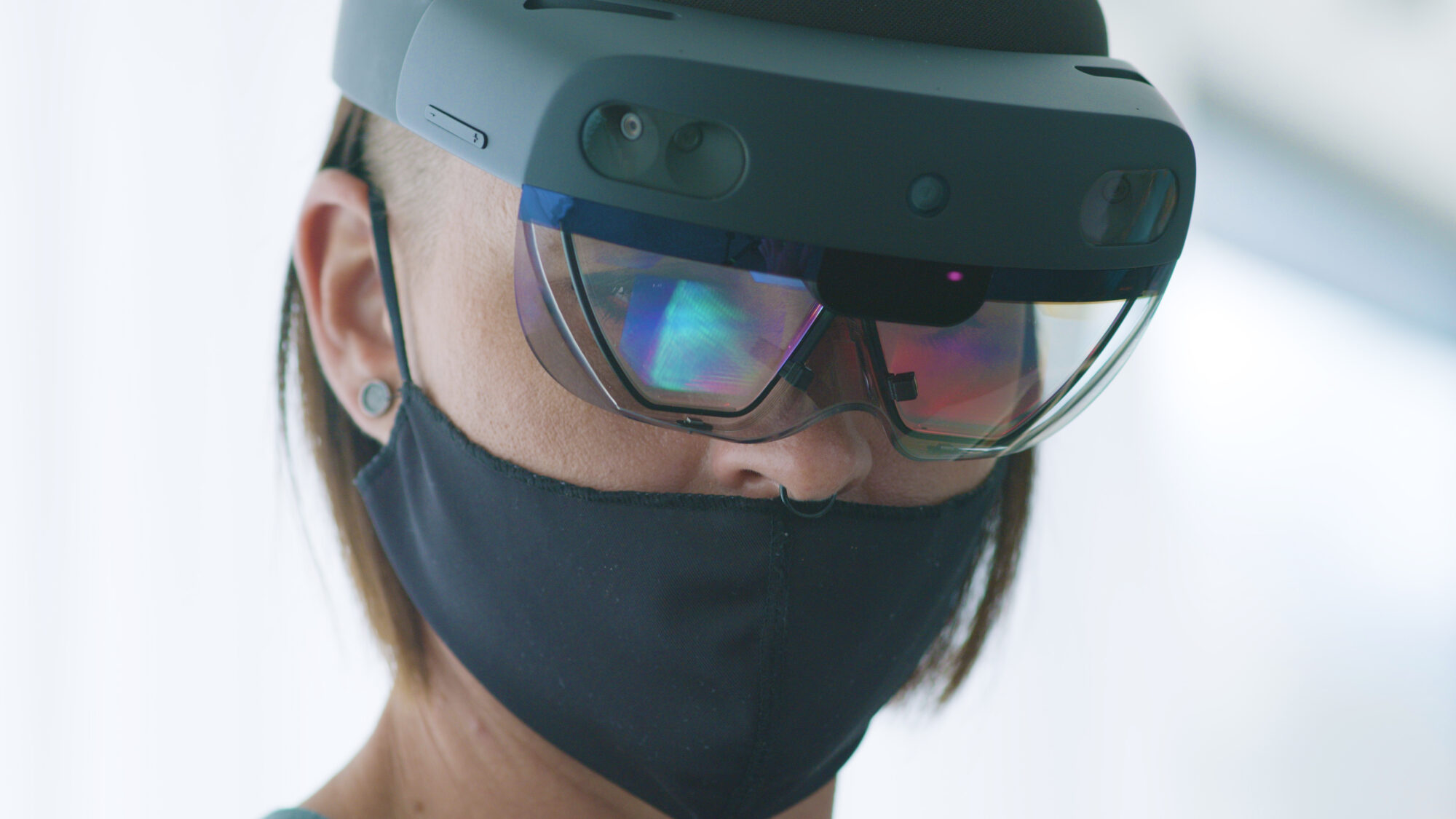
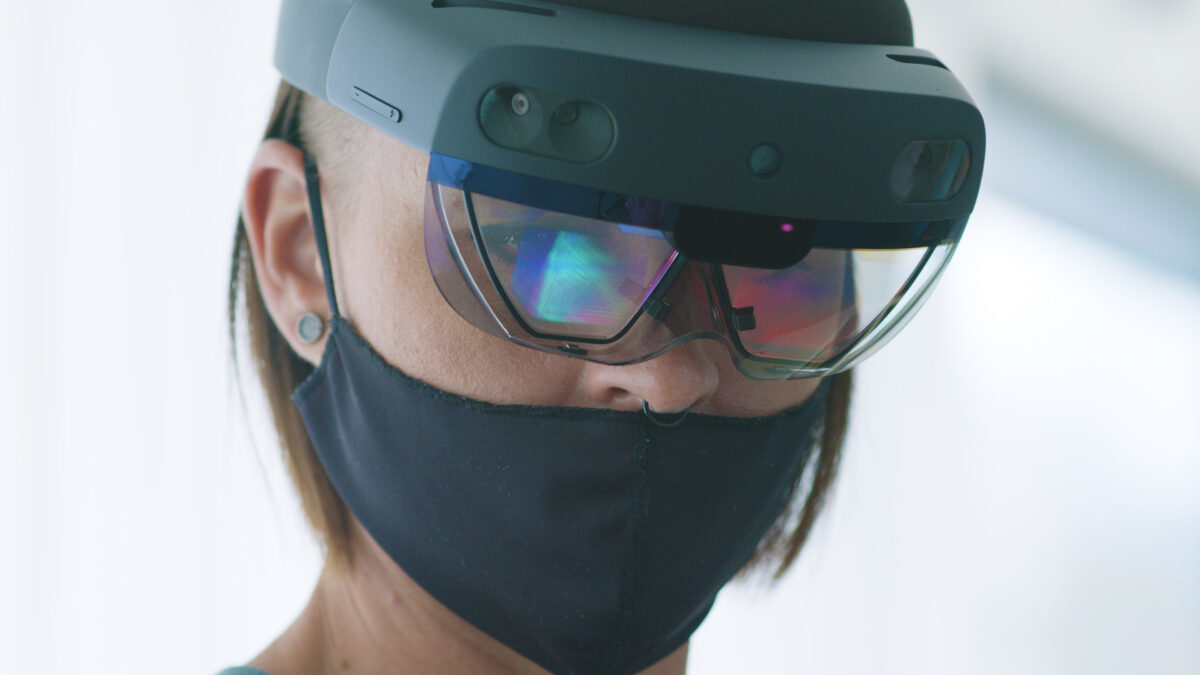
← Creative EngineeringMX – Mixed Reality Experiences↑Why Mixed Reality Experiences?We believe in the integration of virtual and real spaces: the non-existent becomes astonishingly real.What are mixed reality experiences?Mixed reality experiences rely on case-specific software that is experienced using the latest VR headsets.How do we develop MX – Mixed Reality Experiences?To develop mixed reality experiences, we set up and configure, model, place, scale, test, optimise and maintain.We have developed mixed reality experiencesin a wide variety of contexts:SwisstopoMixed Reality Experience at GeodataLab BernMixed Reality with eight Holo LensesFive thematic areas on the topography of Switzerland Cross-referencing of current and historical maps Live streams from Mixed Reality glasses on two screens Access to federal map viewer → Project DocumentationAIREMixed Reality for Real Estate DevelopmentPlanned buildings can be experienced at their actual location on a scale of 1:1The scale of the views implies that the physical dominance of the volumes becomes noticeableSelection of different usage scenarios for specific plotsInspection of virtual model apartmentsUsage scenarios for public parks → Project DocumentationCatacityMixed Reality for Participatory Planning of Public SpacesAttractive and accessible form of participationDigitisation of physically constructed modelsEquipping the real space with digitised modelsUnrestricted virtual sketching of outlines in spaceA tangible impression of unrealised possibilitiesIntegration of new user groups into the planning process → Project DocumentationMargarethen Park PlaygroundMixed Reality for Participatory Planning of Children's PlaygroundAttractive and accessible form of participationEquipping the real space with digitised modelsA tangible impression of unrealised possibilitiesIntegration of new user groups into the planning processSpatial AffairsMixed Reality for Artworks in Public SpaceMultiplayer application for displaying virtual art outdoorsBasic architecture was used by three groups of artists to realise their artworksArtworks could be moved interactivelyVirtual representation of each user with position and head orientationOcclusion: digital objects disappear perspectively behind real objects in the user's field of visionGlasses communicate with each other and with a central server via Wi-FiOur Creative Engineering Solutions→ Kinetic Installations→ Light Installations→ Video Mapping → Customised Screens→ Digital Twins→ Custom Camera Solutions→ Framework Interactive Books→ MX – Mixed Reality Experiences→ AX – Audio Experiences→ PX – Personalised Experiences→ TX – Tour ExperienceDo you have a question, an idea or a project?We’d love to hear from you – whether it’s just to connect or to discuss a potential collaboration.→ Contact us